
Photography

the set
three night astro workshop
-
When: July 30 - August 2 | 2027
-
Where: Riverstone House | West Coast
-
Photography level: Any
-
Cost: $2875.00 | 10% deposit required


Overview
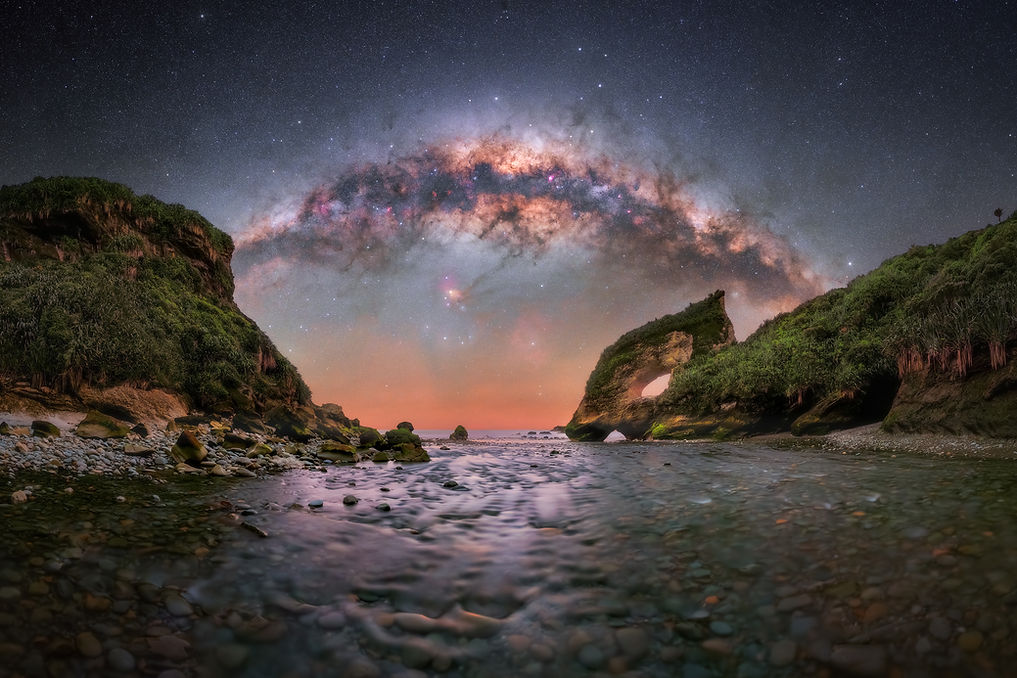
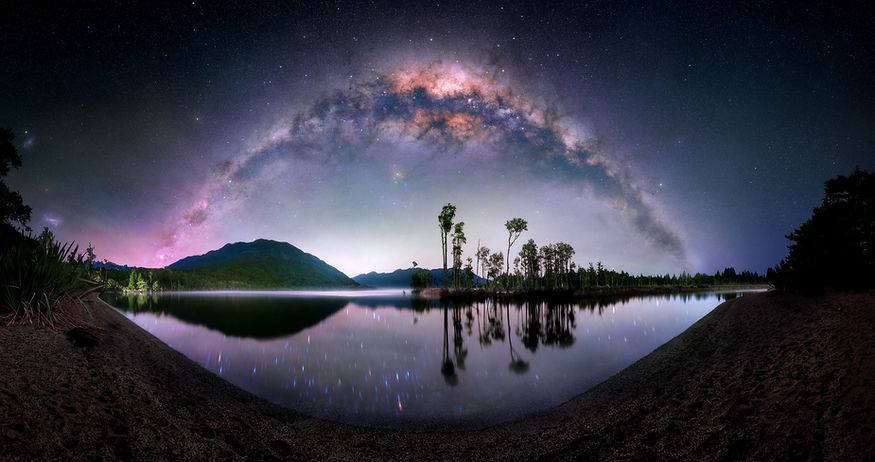
There’s something truly special about the Milky Way’s galactic core setting into the horizon over the wild Tasman Sea. In August, which is my absolute favourite time of year to shoot, the western compositions are endless here on the Coast. From crashing waves and silhouetted sea stacks dotted with starfish, to the mirrored stillness of our many lakes and rivers. These alignments create bold nightscapes that are unique to this season on the West Coast. Each night we’ll begin with our famous West Coast sunsets, making the most of the golden light before turning our cameras skyward as twilight deepens into night.
Over the course of the workshop you can learn:
-
How to plan and shoot the setting Milky Way core in alignment with striking natural landscapes.
-
Techniques for capturing sharp stars and balanced foregrounds.
-
The best settings suited to your gear
-
The essentials of panoramas, star tracking, stacking and exposure blending.
-
My full post processing workflow in Lightroom, PTGui and Photoshop with plug-ins.
Daylight hours will be spent in the classroom, where I’ll guide you step by step through editing your nightscapes.
We’ll be based at Riverstone House, my home on the banks of the Taramakau River between Greymouth and Hokitika where you will enjoy your own private king or queen bedroom.
With a flexible itinerary shaped by the group’s goals and the weather, we’ll aim to visit some of my most beloved locations including the compositionally perfect Lake Kaniere, the many beaches, bays, rivers, lagoons and sea stacks along The Great Coast Road and the ancient Kahikatea trees reflecting at Lake Brunner.
What to bring
-
Mirrorless or DSLR camera
-
Ideally a fast, wide, prime lens; - f/1.4 through to f/2.8, 16mm through to 35mm for the best results
-
Spare camera batteries and SD cards
-
Sturdy tripod
-
Leveling base example
-
Indexing rotator example
-
Lens heater (not essential but very helpful if you have a bulbous lens that is prone to fogging up)
-
Remote shutter/intervalometer if not inbuilt into your camera
-
Laptop or desktop with Lightroom and Photoshop installed and a minimum of 16GB RAM
-
Thermal base layers
-
Fleece mid-layer
-
Warm jacket
-
Gloves
-
Sturdy and warm footwear
-
Hat, hood or beanie
-
Head torch with a red light
-
2-3 lens cloths
-
Water bottle
-
Snacks
If you are missing any of these items, please speak to me about borrowing equipment.
Whats Included
-
3 nights of expert nightscape tuition in the field
-
2 post processing sessions
-
Accommodation with your own private king or queen bedroom
-
Travel during the workshop in a comfortable 4WD Landcruiser
-
Daily continental breakfast supplies that you can help yourself to each morning.
-
A selection of hot and cold beverages, and homemade baking will also be available throughout the workshop, along with hot drinks offered out in the field under the stars
-
Riverstone has a full chefs kitchen with all the essentials provided for self catering, to maximise shooting time
-
DOC concession fees
-
Comprehensive Safety Management System
-
Pick up/drop off at Hokitika airport if flying
-
Digital workflows
Whats not Included
-
Flights
-
Visas
-
Personal, equipment and travel insurance
-
Lunch and dinner
-
Snacks
-
Alcohol
Physical Difficulty
A reasonable level of fitness is necessary to enjoy this workshop as we will be standing for long periods at night, in the cold. All locations we shoot will be within a short walk along bush tracks or the coastline. These are sometimes uphill, over uneven, icy ground, uneven steps, or rocky beaches and you will be responsible for carrying your own equipment. There may be a couple of longer walks (30-45 min one way) depending on the whole group fitness level. If your fitness or mobility is an issue, please let me know in your application form.
Why this workshop and why the West Coast?
The West Coast of New Zealand’s South Island is one of the most dramatic and photogenic regions in the country, with wild coastlines, ancient rainforest, towering mountains, reflective lakes, and some of the darkest skies in the Southern Hemisphere. The constantly changing weather and light mean no two experiences here are ever the same, with every trip offering something unique.
With very limited numbers, there’s plenty of time for hands on guidance, questions, and the ability to work at your own pace without feeling rushed.
Unlike many photography tours, this workshop has been designed as a relaxed, small group experience focused on both learning and creativity, not as a rushed “tick the box" tour. We won’t be constantly moving from place to place or packing up each morning to head to the next accommodation. Everything is based here in my corner of the Coast, allowing for a far more flexible, relaxed and enjoyable experience, especially after late nights out shooting under the stars. It gives us the freedom to properly chase conditions, adapt to weather and light, and make the most of opportunities as they arise, with plenty of rest in between.
My workshops are conducted safely and legally, with the appropriate Department of Conservation concessions and permissions in place to operate on public conservation land, alongside a comprehensive independently audited safety management system for client safety and peace of mind.
Being born and raised on the West Coast also allows me to share not only the iconic locations, but many lesser known places that most visitors would never discover on their own. Combined with my background in hospitality, my goal is to ensure you feel comfortable, well cared for, and leave with both new skills and unforgettable memories.